Source Cat Eye Sunglasses for Fashion, Driving, and Outdoor Use
Find 30 cat eye sunglasses models from Taizhou, Zhejiang, featuring frame materials like TRL and lenses in PC, Nylon, or Acrylic. Buyers can compare styles, sizes, and customization options for unisex and face-specific needs.
Key considerations
Products List


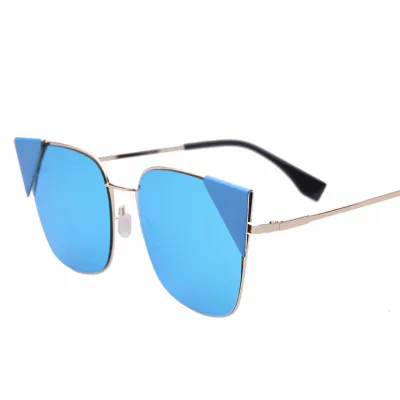


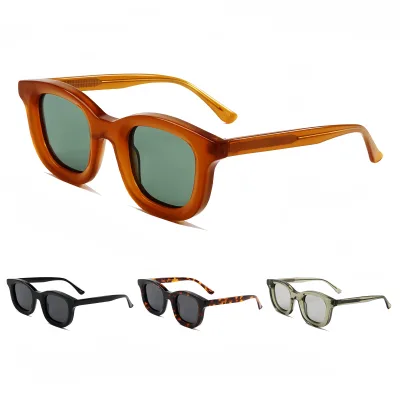

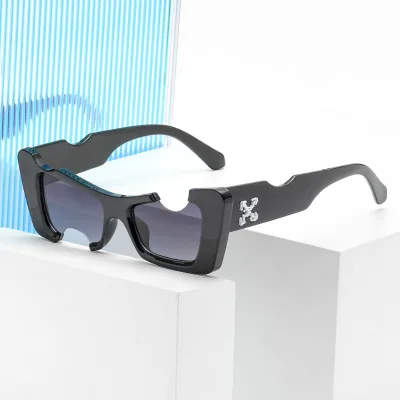
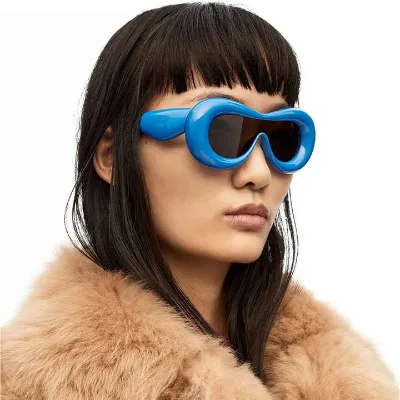
Comprehensive Sourcing Guide
Strategic Sourcing Guide for Cat Eye Sunglasses
Understanding the Product Category and Design Variations
The cat eye sunglasses segment represents a distinct niche within the broader eyewear market, characterized by an upswept outer edge that mimics the shape of a feline's eye. This style has evolved from a mid-20th-century fashion statement into a versatile category suitable for various face shapes and usage scenarios. When sourcing this specific style, buyers must recognize that the "cat eye" designation often overlaps with other classifications such as "Visor Sunglasses" or "Vintage Sunglasses," as observed in current market listings. The design flexibility allows for significant variation in frame materials, ranging from durable polycarbonate (PC) and nylon to acrylic and metal alloys.
The aesthetic appeal of cat eye sunglasses is often driven by frame color and lens tint. Market observations indicate a strong preference for black frames paired with clear, brown, or blue lenses. The frame material significantly influences the final product's weight and durability. For instance, products utilizing TRL (likely a specific alloy or composite) or pure metal alloys offer a different tactile experience compared to those made from plastic or acrylic. Buyers should note that the "cat eye" silhouette is not a single standardized shape but a family of designs that can vary in the degree of the upsweep, the width of the bridge, and the thickness of the temples. Understanding these nuances is critical when defining the product requirements for a specific target audience, whether that audience is defined by face shape (such as round or square faces) or by style preference (such as vintage or fashion-forward).
Technical Specifications and Material Composition
When evaluating cat eye sunglasses for procurement, technical specifications must be scrutinized to ensure the product meets functional and aesthetic expectations. The frame dimensions are a primary technical constraint. Standardized measurements often appear in the format of lens width, bridge width, and temple length, such as 54-16-138 or 57-13-136. These numerical values dictate the fit and comfort for the end-user. A buyer sourcing for a global market must verify that the supplier can produce frames across a range of these dimensions to accommodate different face sizes, particularly since the target audience may include both men and women, or specifically unisex demographics.
Material selection is another critical technical factor. The lens material determines optical clarity, impact resistance, and weight. Common materials observed in the market include PC (polycarbonate), Nylon, and Acrylic. PC lenses are frequently chosen for their high impact resistance, making them suitable for active lifestyles, while Nylon offers excellent optical quality and flexibility. Acrylic lenses, though lighter, may be more prone to scratching and are often used in fashion-focused, lower-cost applications. The frame material also plays a role; options include TRL, alloy, and plastic. The combination of a metal alloy frame with plastic or acrylic lenses can create a hybrid product that balances luxury aesthetics with structural integrity.
Furthermore, the optical attributes of the lenses must be clearly defined. While many cat eye sunglasses are designed for sun protection, some listings indicate specific optical attributes such as "Myopia Clip" or usage for "Reading Glasses." This suggests that the cat eye form factor is being adapted for corrective eyewear or multifunctional use. Buyers must distinguish between standard UV-protective sunglasses and those designed for vision correction. The lens color, whether clear, brown, or blue, also impacts the light transmission and contrast enhancement, which should align with the intended usage environment.
Compliance, Certification, and Safety Standards
Ensuring compliance with safety and quality standards is paramount when importing cat eye sunglasses. While specific certification names may vary by region, the underlying requirements for optical safety and structural integrity remain consistent. Buyers should verify that the lenses provide adequate UV protection, as this is a fundamental safety requirement for any eyewear intended for outdoor use. The product standards observed in the market, such as those referencing specific dimension codes (e.g., 55-20-145), often serve as proxies for manufacturing consistency, but explicit compliance with international standards like ANSI Z80.3 or EN 1836 is essential for market access in many regions.
In addition to optical safety, structural standards are crucial. The frame must withstand normal wear and tear without breaking or deforming. Materials like PC and Nylon are generally favored for their durability, but the manufacturing process must ensure that the joints, hinges, and nose pads are secure. For products marketed as "Luxury" or "Fashion," the finish and coating quality are also part of the compliance picture, ensuring that the product does not degrade or discolor rapidly. Buyers should request test reports from suppliers that verify the UV blocking capabilities and the mechanical strength of the frames.
It is important to note that some product listings may reference internal standards or specific model numbers (e.g., G8068, T7212) rather than international certifications. In such cases, the buyer must conduct their own due diligence to ensure these internal standards meet the regulatory requirements of the destination market. The origin of the product, often listed as Taizhou, Zhejiang, or generally China, does not automatically guarantee compliance; rather, it indicates the manufacturing hub where quality control processes must be rigorously enforced.
Cost Drivers and Pricing Dynamics
The pricing of cat eye sunglasses is influenced by a complex interplay of factors, including material costs, customization options, and order volume. The observed price range in the market spans from approximately $0.61 to $16.00, reflecting the vast difference between basic fashion accessories and higher-end, branded eyewear. The lower end of this spectrum typically corresponds to products made from acrylic or basic plastic with standard lens tints, while the higher end often features metal alloys, advanced lens materials like Nylon, and specialized coatings.
Customization is a significant cost driver. Suppliers offering options for custom frame colors, logo placement, or specific lens tints will generally charge a premium. The availability of customization, as noted in product attributes, allows buyers to differentiate their offerings but adds complexity to the supply chain. Additionally, the packaging requirements can impact the final cost. Products packaged in "Outer Box+Inner Box+Sealed Pocket" or custom cartons will incur higher packaging costs compared to those shipped in simple poly bags.
Order quantity also plays a vital role in pricing. The minimum order quantity (MOQ) can range from as low as 1 piece to as high as 2400 pieces. Buyers purchasing in smaller quantities will face higher unit costs due to the fixed costs of setup and production runs. Conversely, bulk orders can leverage economies of scale to reduce the per-unit price. However, buyers must balance the cost savings of large orders against the risk of inventory obsolescence, especially for fashion items like cat eye sunglasses where trends can shift rapidly.
Supplier Evaluation and Quality Control Protocols
Selecting the right supplier for cat eye sunglasses requires a thorough evaluation of their capabilities, particularly regarding their production volume, quality control systems, and flexibility. The market shows a diverse range of suppliers, some specializing in specific models like ZN3706 or 5687, while others offer a broader catalog. Buyers should prioritize suppliers who demonstrate a clear understanding of the specific technical requirements of the cat eye style, such as the precise curvature of the frame and the alignment of the lenses.
Quality control protocols are essential to ensure consistency. Buyers should inquire about the supplier's inspection processes, including in-line checks during production and final random inspections before shipment. Given the variety of materials used, from PC to alloy, the supplier must have the expertise to handle each material correctly to prevent defects such as warping, scratching, or poor lens alignment. The "Standard" packing method mentioned in some listings suggests a baseline level of care, but buyers should verify if this is sufficient for their specific logistics needs.
Furthermore, the supplier's ability to handle customization requests is a key differentiator. Suppliers who offer "Customization: Available" should be evaluated on their turnaround time for custom samples and their capacity to maintain quality during the customization process. The target audience for these products, described as "People" or "General," implies a need for broad appeal, which requires a supplier capable of producing high-quality, consistent products at scale. Buyers should also consider the supplier's location, such as Taizhou, Zhejiang, which is a known hub for eyewear manufacturing, and assess the logistical implications of sourcing from this region.
Typical Applications and Market Positioning
Cat eye sunglasses serve a wide range of applications, from casual fashion statements to functional eyewear for specific activities. The "Vintage Sunglasses" style often appeals to consumers looking for a retro aesthetic, while the "Fashion Glasses" designation targets those seeking current trends. The versatility of the cat eye design allows it to be marketed to various demographics, including unisex audiences and specific face shapes like round or square faces. This adaptability makes cat eye sunglasses a popular choice for retailers looking to offer a diverse product line.
In terms of usage, some cat eye sunglasses are designed specifically for reading or optical purposes, indicated by attributes like "Myopia Clip" or "Usage: for Reading Glasses." This dual functionality expands the market potential, allowing buyers to position these products as both fashion accessories and practical eyewear. The "Luxury" advantage mentioned in some listings suggests that certain cat eye models are positioned as premium items, targeting consumers willing to pay a higher price for superior materials and design.
The target audience for these products is broad, ranging from general consumers to specific fashion enthusiasts. The "General" suitability indicates that the design is inclusive and can be worn by a wide range of individuals. However, buyers should be mindful of the specific face shape recommendations, such as "Round Face" or "Square Face," to ensure the product fits the intended demographic effectively. Understanding these applications helps in developing a targeted marketing strategy and selecting the right product mix for the market.
Long-Term Procurement Considerations and Sustainability
Sourcing cat eye sunglasses for the long term requires a strategic approach that goes beyond immediate cost savings. Buyers should consider the sustainability of the materials used, the durability of the products, and the potential for brand differentiation. The use of materials like PC and Nylon, which are known for their durability and recyclability, can be a selling point for environmentally conscious consumers. Additionally, the ability to customize products allows brands to create unique offerings that stand out in a crowded market.
Long-term procurement also involves building strong relationships with suppliers who can adapt to changing market trends and consumer preferences. The eyewear market is dynamic, with styles evolving rapidly. Suppliers who offer flexible production capabilities and can quickly respond to new design requests will be valuable partners. Buyers should also consider the logistical aspects of long-term sourcing, including lead times, shipping costs, and the reliability of the supply chain.
Finally, buyers must remain vigilant about quality consistency over time. As production volumes increase, maintaining the same level of quality can be challenging. Regular audits and quality checks are essential to ensure that the products continue to meet the brand's standards. By focusing on these long-term considerations, buyers can build a sustainable and profitable sourcing strategy for cat eye sunglasses that delivers value to their customers and supports their brand growth.
FAQs
What frame materials are available for cat eye sunglasses?
Frame materials include TRL, alloy, and plastic. Some models feature TRL frames paired with PC or Nylon lenses, while others use acrylic for a lighter feel. Buyers should verify the specific material composition for each model to ensure durability matches their needs.
Which lens materials are commonly used in this style?
Common lens materials observed are PC, Nylon, and Acrylic. PC lenses offer high impact resistance, while Nylon provides excellent optical clarity. Acrylic is often used for fashion-focused applications, though it may be more prone to scratching compared to the other materials.
Can these sunglasses be customized for specific face shapes?
Yes, customization is available for various face shapes including round and square faces. The designs are often suitable for unisex audiences, allowing buyers to select models that fit specific demographic requirements while maintaining the distinctive cat eye silhouette.
What are the standard dimensions for these frames?
Standard dimensions typically follow a lens-bridge-temple format such as 54-16-138 or 57-13-136. These measurements dictate the fit and comfort, so buyers must verify the specific standard code for each model to ensure it accommodates the target user's face size.
How does the price range vary for these products?
The price range spans from approximately 0.61 to 16 USD depending on materials and features. Lower costs usually correspond to basic plastic or acrylic frames, while higher prices reflect metal alloys, advanced lens materials, and luxury finishes.
What is the typical minimum order quantity for sourcing?
The minimum order quantity ranges from 1 to 2400 pieces depending on the supplier and customization level. Smaller orders allow for testing market trends, while bulk purchases leverage economies of scale to reduce the per-unit cost significantly.
Where are these cat eye sunglasses typically manufactured?
Products are commonly manufactured in Taizhou, Zhejiang, China. This region is a known hub for eyewear production, offering a variety of suppliers capable of handling different materials and specifications required for the cat eye style.